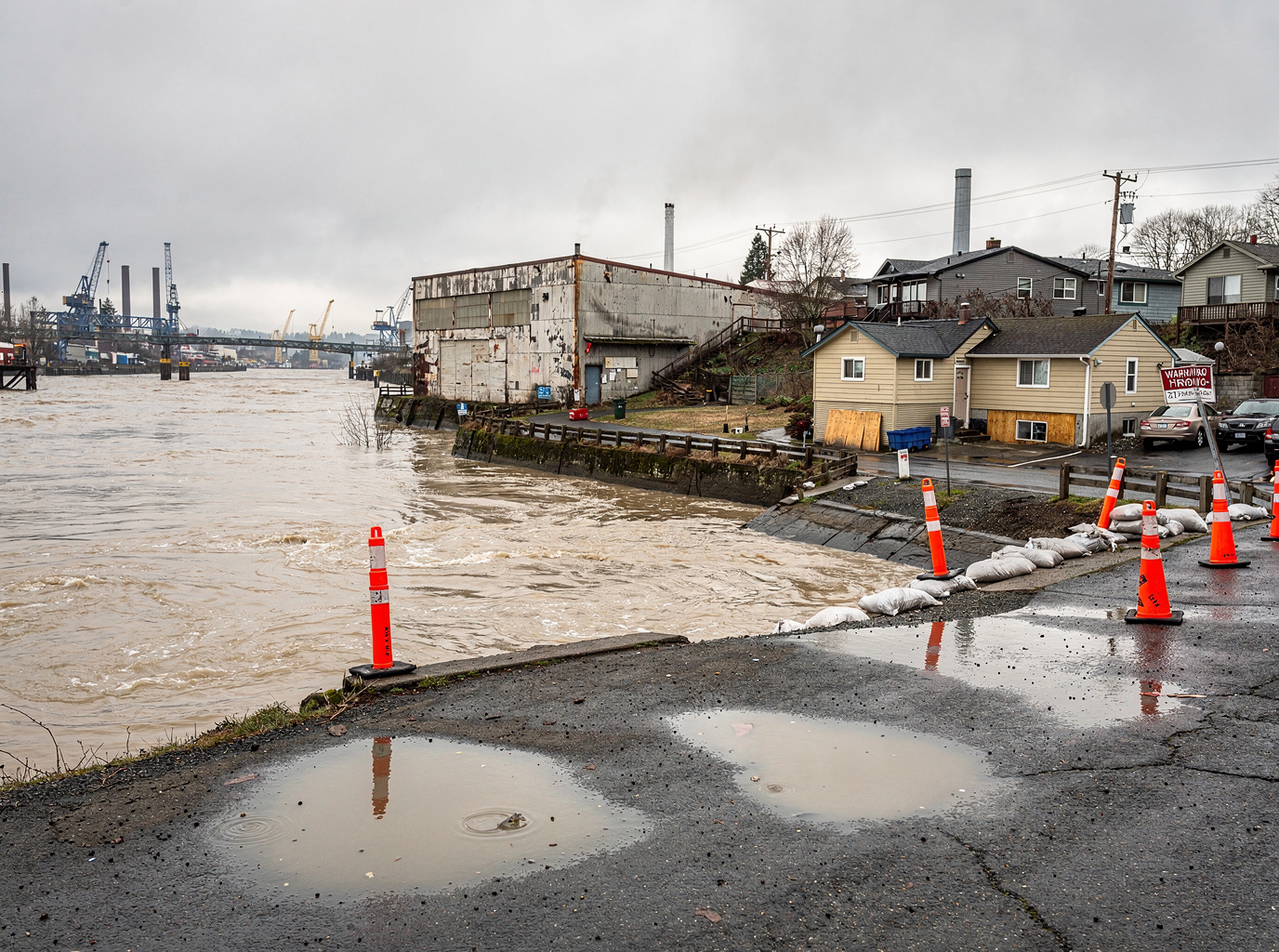
Mount Vernon sits in the Skagit Valley where the river regularly rises during wet winters, pushing water into crawl spaces and basements of older single-family homes built before 1970. Our crews based at 309 S Cloverdale St C17 respond from Seattle to extract water, dry wall cavities, and prevent mold in these wood-frame houses that sit close to grade with limited drainage around many lots.
Frequent overcast skies and steady rain from October through March keep soil saturated around properties near the river levees and downtown blocks. We focus on hidden moisture behind plaster and under hardwood floors common in Mount Vernon’s pre-war housing stock, using targeted drying that accounts for the area’s clay-heavy soils that slow natural drainage.
Access from I-5 and local streets like Division Street lets us reach University District spillover jobs and West Seattle referrals quickly, but we tailor every Mount Vernon project to the specific flood patterns that affect neighborhoods east of the river and near Skagit Valley Hospital.
Around 47. Mount Vernon
We regularly work near:
- 📍Skagit River
- 📍Downtown Mount Vernon
- 📍Skagit Valley Hospital
- 📍Lincoln Theatre
- 📍Mount Vernon High School
- 📍Skagit Valley College
Water Damage Restoration in 47. Mount Vernon — Local Notes
- •Skagit River flooding often enters homes through low window wells and older foundation vents common along Second Street and near the levee trails.
- •Many Mount Vernon lots have minimal slope, so standing water lingers against siding after heavy rain, requiring extra extraction time around older detached garages.
- •Dry summers still leave residual moisture in crawl spaces under 1950s-60s homes near Lincoln Theatre because of poor original ventilation that we address with directed airflow.
- •Winter access can be slowed by narrow driveways off Blackburn Road where larger equipment must be staged on the street.